Planning your Rudranath Yatra in 2026? You're in the right place. Rudranath Temple — the fourth and most mystical of the five Panch Kedar shrines — will open on 18 May 2026 at 7:00 AM and is expected to close on 17 October 2026 for winter. This guide covers everything you need to know before you set foot on the trail.
🛕 About Rudranath Temple — The Face of Shiva
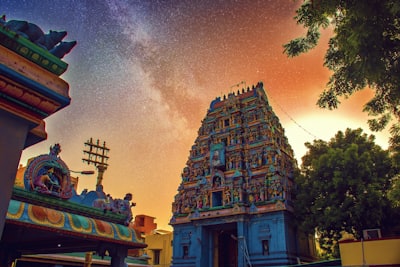
Tucked deep in the Garhwal Himalayas at 3,600 metres, Rudranath is unlike any other Panch Kedar temple. It sits beneath an open sky — there is no enclosed structure over the main deity. Here, the face (mukha) of Lord Shiva is worshipped in the form of a natural Swayambhu rock formation, making this shrine uniquely raw and powerful.
According to ancient legend, after the Kurukshetra war, the Pandavas sought Lord Shiva's forgiveness. Shiva, wishing to evade them, disguised himself as a bull and disappeared into the earth at different points across the Himalayas. At Rudranath, his face appeared — and has been worshipped here ever since. There is a local saying that captures the trek perfectly: "Rudranath ki chadai, German ki ladai" — climbing Rudranath is like fighting a war.
"Of all the Panch Kedar shrines, Rudranath is the most remote, the most challenging and the most spiritually transformative. Those who reach it carry something back that cannot easily be described." — Firstraveller Yatra Team
📅 How Are the Opening Dates Decided?
The opening dates for Rudranath Temple are announced every year on Basant Panchami based on Panchang calculations. The ceremony takes place in the presence of the head priests and committee members of both Rudranath and Gopinath Temple. For 2026, the calculation confirmed 18 May 2026 at 7:00 AM as the official opening time.
Before the temple opens to pilgrims, a specific ritual process unfolds over several days. The idol of Lord Rudranath is first brought from Gopinath Temple in Gopeshwar on 14 May 2026, then moves to Panar on 17 May, and finally reaches the temple on 18 May — when the kapaat (doors) open for devotees.
🥾 How to Reach Rudranath — Trek Routes
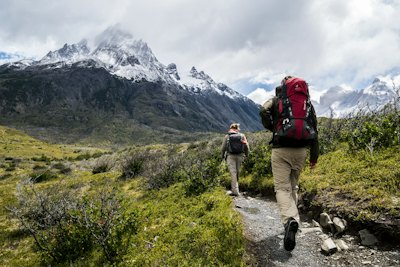
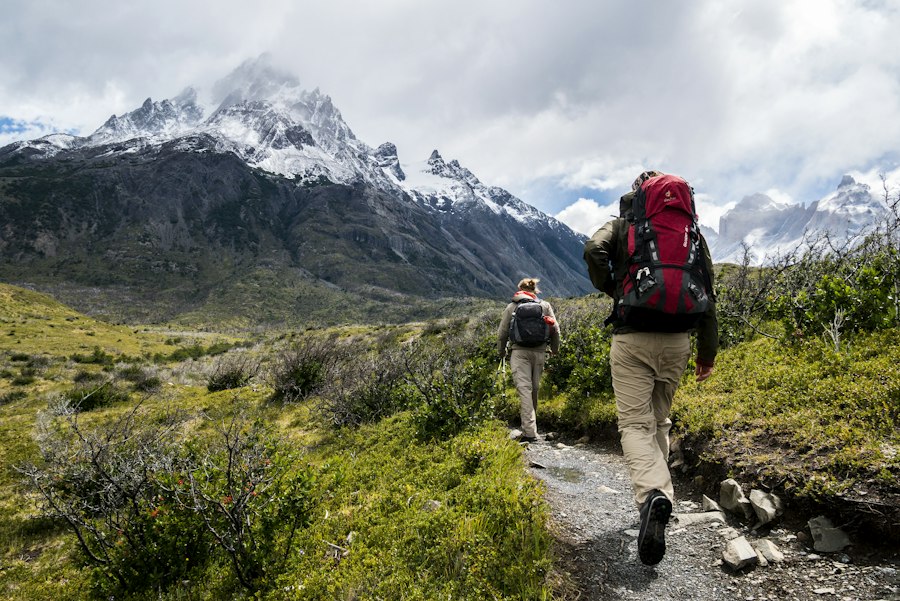
Rudranath is only accessible on foot — there is no road, no helicopter, no shortcut. This seclusion is precisely what makes it so sacred. There are three trekking routes, each offering a different landscape:
| Route | Starting Point | Distance | Difficulty | Duration |
|---|---|---|---|---|
| Route 1 (Most Popular) | Sagar Village, near Gopeshwar | 20 km one way | Moderate–Difficult | 2 days up, 1 day down |
| Route 2 | Mandal Village via Anusuya Temple | 24 km one way | Difficult | 3 days one way |
| Route 3 | Helang Village | ~22 km one way | Difficult | 2–3 days one way |
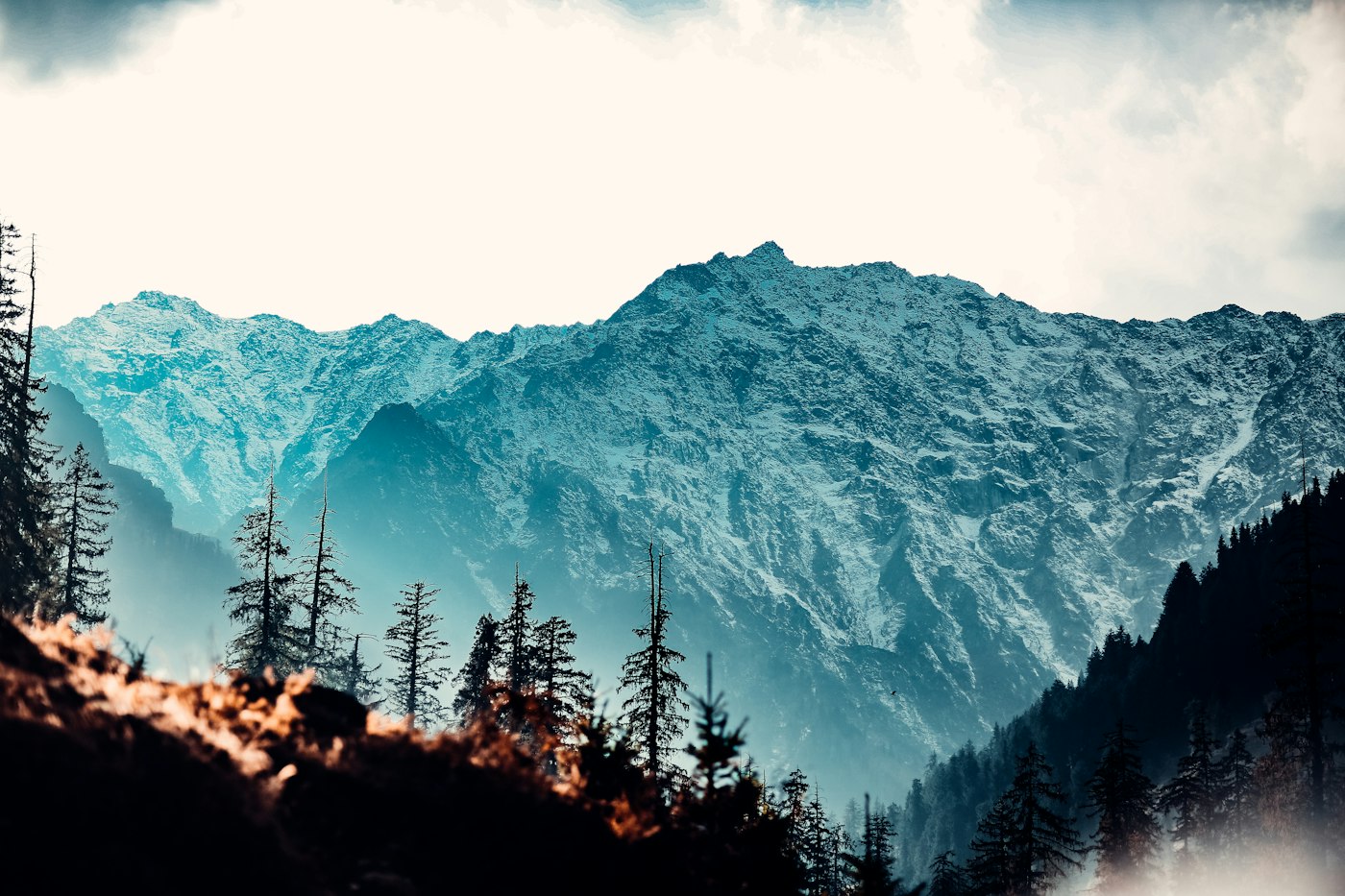
The Sagar Village route is the most recommended for first-timers. It passes through dense oak and rhododendron forests, the spectacular Lyuti Bugyal (alpine meadow), and the even more dramatic Panar Bugyal, before the final ascent to the temple. Along the way, you'll get views of Nanda Devi, Trishul and Hathi Parvat.
🗺️ How to Reach the Base — Sagar Village
- By Air: Nearest airport is Jolly Grant, Dehradun (258 km). Taxi to Gopeshwar available.
- By Train: Nearest railway station is Rishikesh (241 km from Gopeshwar).
- By Road: From Rishikesh → Devprayag → Rudraprayag → Gopeshwar → Sagar Village (~248 km, 7–8 hours).
- Sagar Village is 5 km from Gopeshwar — the last motorable point before the trek begins.
🌸 Best Time to Visit Rudranath in 2026
The temple is only open from mid-May to mid-October each year, but within this window, the best windows are:
- May–June (Opening Season): Rhododendrons in full bloom, snow still visible on higher ridges. Trails can be slippery — carry trekking poles.
- September–October (Best Window): Crystal clear skies after monsoon, the bugyals turn golden, and crowds are minimal. This is the sweet spot — the most rewarding time to visit Rudranath.
- July–August (Monsoon): The trail is open but leeches are common and landslide risk is higher. Only recommended for experienced trekkers.
🧳 Packing List — What to Carry
- Good trekking shoes with ankle support (mandatory — no sandals)
- Warm layers — thermal inners, fleece jacket, waterproof windcheater
- Sleeping bag (if camping — stays at Rudranath are very basic)
- Personal medicines + altitude sickness tablets (Diamox)
- Walking / trekking poles (available for rent at Sagar Village)
- Sufficient cash — there are no ATMs beyond Gopeshwar
- Water bottle + water purification tablets
- Energy bars, dry fruits and ready-to-eat snacks
- Rain poncho (essential, especially June–August)
- Head torch with extra batteries for early morning starts
🏕️ Where to Stay — Accommodation at Rudranath
Accommodation on the Rudranath trek is extremely limited and basic — which is part of its charm. At the temple itself, the Mandir Committee maintains simple accommodation with very basic bedding. A handful of homestays exist in Sagar Village and at Pitradhar (a camp midway). Most trekkers carry their own tent and camp under what is genuinely one of the most spectacular night skies in the Himalayas, surrounded by the sacred ponds of Surya Kund, Chandra Kund and Tara Kund.