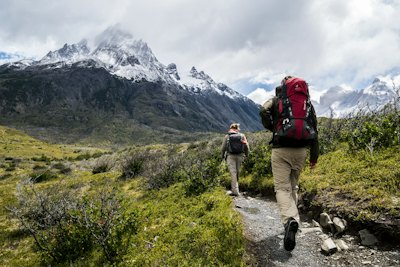
The Char Dham Yatra — four sacred shrines nestled in the Garhwal Himalayas of Uttarakhand — is considered the most important Hindu pilgrimage in India. Every year, millions of devotees journey to Yamunotri, Gangotri, Kedarnath and Badrinath to seek blessings, wash away sins and attain moksha. If you're planning your first Char Dham Yatra, this guide covers everything: the route, the best time to go, the full budget breakdown, registration, and insider tips that most guides don't tell you.
🛕 The Four Dhams — What & Where
The four shrines are arranged from west to east across the Garhwal Himalayas. Each is dedicated to a different deity and sits at a dramatically different altitude and landscape. Most pilgrims complete them in the traditional order — Yamunotri → Gangotri → Kedarnath → Badrinath.
🗺️ Best Route for Char Dham Yatra
The traditional and most practical route starts and ends at Haridwar or Rishikesh — the gateway cities for the Char Dham Yatra — and follows the clockwise direction:
- Haridwar/Rishikesh → Barkot/Janki Chatti (Day 1–2) — Drive to base for Yamunotri
- Yamunotri Darshan (Day 3) — 6 km trek each way from Janki Chatti
- Barkot → Uttarkashi → Gangotri (Day 4–5) — Drive to Gangotri for darshan
- Gangotri → Guptkashi/Sonprayag (Day 6) — Drive south to Kedarnath base
- Kedarnath Darshan (Day 7–8) — 16 km trek or helicopter from Phata/Guptkashi
- Sonprayag → Badrinath via Joshimath (Day 9–10) — Drive north
- Badrinath Darshan (Day 11) — Direct road access to temple
- Badrinath → Rishikesh (Day 12–13) — Return journey
"The Char Dham Yatra is not a tourist trip. It is an inner journey. The mountain roads, the cold mornings, the crowded temples — all conspire to strip away distractions and leave you face to face with something essential." — Rahul Sharma, Firstraveller
🌤️ Best Time to Visit
The temples are open only from May to November each year. Within this window, there are two ideal periods:
- May–June (Opening Season): Fresh snowcaps, cool temperatures (8–18°C), rhododendrons in bloom. The most popular time — book well in advance as accommodation fills quickly.
- September–October (Post-Monsoon): Crystal clear mountain skies, lush green valleys, far smaller crowds. This is the best overall window for a peaceful, immersive yatra experience.
- July–August (Monsoon): Temples are open but heavy rain causes landslides and road closures on the mountain routes. Not recommended for first-timers or families.
💰 Char Dham Yatra Budget 2025
Costs vary widely depending on travel style. Here's a realistic breakdown for a 10-day yatra for one person travelling in a shared group:
| Expense | Budget (₹) | Mid-Range (₹) | Premium (₹) |
|---|---|---|---|
| Transport (Delhi–Rishikesh–Delhi) | 4,000–6,000 | 8,000–12,000 | 18,000–25,000 |
| Local Transport (all 4 dhams) | 6,000–8,000 | 10,000–14,000 | 20,000–30,000 |
| Accommodation (10 nights) | 5,000–8,000 | 10,000–16,000 | 25,000–40,000 |
| Food & Meals | 3,000–4,000 | 5,000–7,000 | 8,000–12,000 |
| Kedarnath Trek / Helicopter | 500–1,000 | 5,500 (heli) | 7,500 (heli) |
| Puja, offerings, donations | 2,000–3,000 | 4,000–6,000 | 8,000–15,000 |
| Miscellaneous | 2,000 | 3,000 | 5,000 |
| Total (Per Person) | ₹22,500–₹30,000 | ₹45,000–₹58,000 | ₹91,000–₹1,27,000 |
📝 How to Register for Char Dham Yatra 2025
Registration is mandatory for all four dhams. Without your registration slip you will be turned back at check posts. The process is completely free:
- Go to devasthanam.uk.gov.in or download the Char Dham Yatra App
- Register with your mobile number and Aadhaar / Passport
- Select each dham and your preferred visit dates
- Add all co-travellers' details
- Download your registration QR code — save it offline on your phone
💡 Insider Tips for First-Timers
- Register early, don't delay: Popular dates in May–June fill up weeks in advance. Register as soon as the portal opens in April.
- Start from Yamunotri — always: The traditional clockwise order is not just religious — it's also logistically the most efficient route.
- Acclimatise at Rishikesh: Spend one night in Rishikesh before the yatra begins. The altitude gain is gradual but your body benefits from preparation.
- Carry cash: Beyond Uttarkashi and Rudraprayag, ATMs are sparse and often run out during peak season. Carry enough cash for 4–5 days.
- Book accommodation well in advance: Good lodges at Kedarnath, Gangotri and Badrinath book up fast. Don't rely on walking in during May–June.
- Keep your itinerary flexible: Weather in the Himalayas is unpredictable. Build in a buffer day for delays, road closures and weather holds.
- Respect the environment: All four dhams are in eco-sensitive zones. Do not carry single-use plastic. Many pilgrims carry reusable bottles and steel lunch boxes as an act of devotion.
🎒 What to Pack
- Trekking shoes with ankle support (essential for Yamunotri and Kedarnath)
- Warm layers: thermal inners, fleece jacket, windproof outer shell
- Rain poncho or waterproof jacket (vital May–August)
- Personal medicines + first aid kit + altitude tablets (ask your doctor)
- Valid government ID (original + 2 photocopies)
- Printed and digital copies of all registration slips
- Sunscreen SPF 50+, UV sunglasses, lip balm
- Cash (minimum ₹10,000 in hand at all times)
- Portable power bank — mountain regions have frequent power cuts
- Reusable water bottle + purification tablets
- Light daypack for the actual temple visits
- Comfortable loose clothing for temple premises (cover shoulders and knees)