Kedarkantha Trek in December — A Complete Winter Guide
PS
Priya Singh
December 2025
🕐 6 min read❄️ Winter Trek
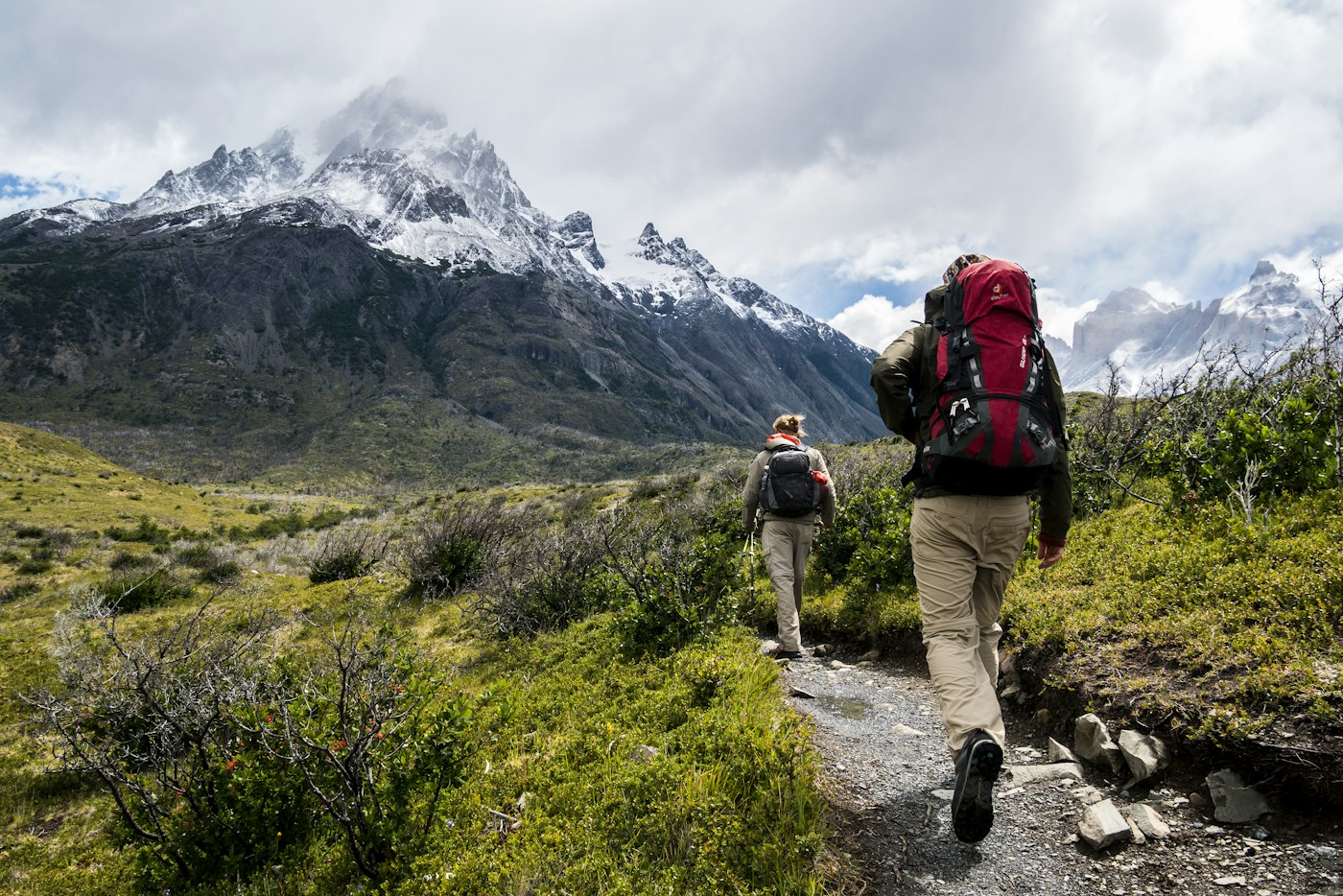
If there is one winter trek in India that deserves to be on every trekker's list, it is Kedarkantha. Situated in the Govind National Park in Uttarkashi district of Uttarakhand, this 12,500-feet summit offers what is arguably the most spectacular 360-degree Himalayan panorama accessible to amateur trekkers. And in December, when a thick white blanket of snow transforms the oak and pine forests into a winter wonderland, Kedarkantha reaches its most magical form.
✅
At a Glance: Maximum altitude 3,800 m (12,500 ft) · Trek distance 20 km round trip · 4–5 days · Difficulty: Easy to Moderate · Best for: Beginners to winter trekking · Base camp: Sankri village, Uttarkashi
❄️ Why Trek Kedarkantha in December?
December is considered one of the best months for Kedarkantha for several reasons. The trail is reliably snow-covered from around 2,600 m upward, giving you the classic white-forest experience that the trek is famous for. Temperatures are cold but manageable — typically -5°C to 8°C during the day — and the skies are usually crystal clear after early December storms pass. You also avoid the peak Christmas–New Year crowds that descend in the last two weeks of December, if you time your start for December 1–20.
"Kedarkantha in December is the closest thing to stepping inside a snow globe. The silence of those pine forests at 3,000 metres, ankle-deep in fresh powder, is something I still think about years later." — Priya Singh, Firstraveller
📅 Day-by-Day Itinerary
D1
Drive from Dehradun to Sankri
~210 km · 8–9 hours drive
Depart Dehradun early morning. The scenic drive passes through Mussoorie, Purola and Mori along the Tons river valley. Arrive at Sankri (1,920 m) by evening. Acclimatise, check gear with your trek guide. Overnight in guesthouse.
D2
Sankri to Juda Ka Talab
4 km · 3–4 hours · Gain 700 m
A gentle warm-up day through dense oak and rhododendron forests. By the time you reach Juda Ka Talab (2,650 m) — a frozen lake in December — you'll be surrounded by snow. Set up camp at the lake's edge. The frozen lake reflection at dusk is unmissable.
D3
Juda Ka Talab to Kedarkantha Base Camp
4 km · 3–4 hours · Gain 600 m
The trail enters open meadows with your first commanding views of Swargarohini, Bandarpoonch and Black Peak. Snow deepens as you climb. Arrive at Kedarkantha Base (3,200 m) — one of the most scenic campsites in the western Himalayas. Clear skies at night reveal an extraordinary star field.
D4
Summit Day — Kedarkantha Peak (3,800 m) then descend to Sankri
10 km · 6–8 hours
Start the summit push at 4:00–4:30 AM under headlamps to catch sunrise at the peak. The final 600 m gain is steep but short. From the summit on a clear December morning, you can see Swargarohini, Bandarpoonch, Kala Nag, Ranglana, the Kedarnath massif and even the Gangotri range. Descend all the way back to Sankri and celebrate at the dhaba.
D5
Buffer Day / Drive back to Dehradun
210 km · 8–9 hours
If you descended all the way to Sankri on Day 4, depart for Dehradun after breakfast. Reach Dehradun by evening. Most group packages include drop-off at Dehradun ISBT or railway station.
🏕️ Campsites on the Trail
Juda Ka Talab
2,650 m · Camp 1
Famous for its frozen lake in winter. Surrounded by tall cedar trees. One of the most photogenic campsites in the Himalayas. Temperature: -5°C to 2°C at night.
Kedarkantha Base
3,200 m · Camp 2 / Summit Camp
Open meadow campsite with unobstructed Himalayan views. Sky is exceptionally dark — perfect for stargazing. Temperature: -10°C to -2°C at night in December.
🎒 What to Pack — December Edition
❄️ Kedarkantha December Packing List
Sleeping bag: Rated to at least -10°C (non-negotiable in December)
Trekking boots: Waterproof, insulated, above-ankle — no trail runners in snow
Gaiters: Essential for wading through deep snow above Juda Ka Talab
Layers: Base layer (thermal), mid layer (fleece), outer shell (waterproof down jacket)
Gloves: Two pairs — a liner glove + waterproof outer shell glove
Balaclava + neck gaiter: Summit mornings reach -15°C with windchill
Trekking poles: Strongly recommended for snow-covered descents
Microspikes or Yaktrax: For icy sections near the summit
Head torch: With fresh batteries — summit start is 4:00 AM
Sunscreen SPF 50+ and UV sunglasses: Snow reflection is intense
High-energy snacks: Nuts, chocolate, energy gels for summit day
Portable power bank: Cold kills phone batteries fast
Is Kedarkantha suitable for beginners in December? +
Yes — Kedarkantha is widely considered one of the best introductory Himalayan treks and it is manageable for fit beginners even in December. The key is proper gear (especially a good sleeping bag and insulated waterproof boots), reasonable fitness and going with an experienced guide. The altitude gain is gradual and the trail is well-marked.
How cold does it get on Kedarkantha in December? +
Daytime temperatures range from 0°C to 8°C on the trail. At campsites (2,650–3,200 m), night temperatures drop to -5°C to -12°C. On the summit (3,800 m) at 4:00 AM, factoring in windchill, it can feel as cold as -15°C to -18°C. A sleeping bag rated to -10°C minimum is essential.
How do I reach Sankri (Kedarkantha base camp) from Delhi? +
The standard route is: Delhi → Dehradun (overnight bus or 6 hrs by road/train) → Sankri (shared cab, ~210 km, 8–9 hrs). Most trek operators include Dehradun–Sankri transport in their packages. Direct buses from Delhi to Purola are also available, from where shared cabs run to Sankri.